

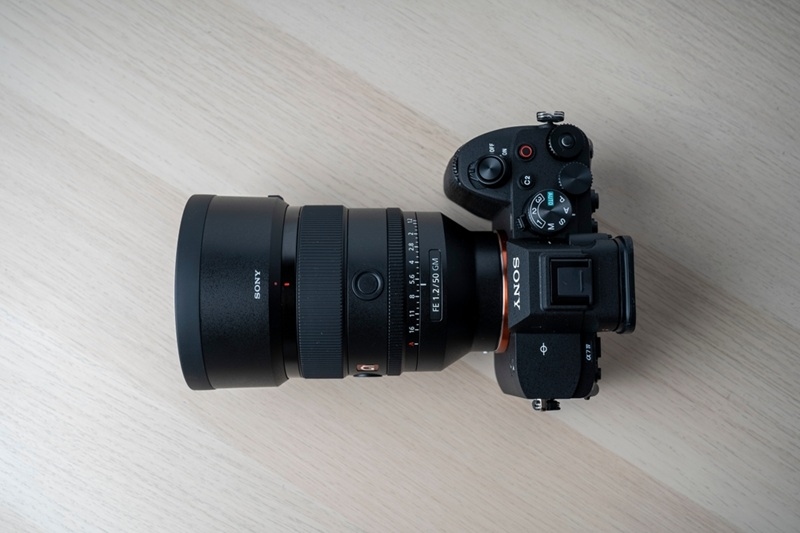
Photography keeps shifting slowly, and the best mirrorless cameras sit right in the middle of that change. Many people now choose a mirrorless camera because it feels lighter in the hand and responds more quickly. For casual shooters and working professionals, mirrorless cameras offer strong image quality without the bulk of traditional DSLRs. When people compare mirrorless vs. DSLR, weight, speed, and modern features often shape the decision. This really means that better tools now feel easier to use for more people.
Unlike older cameras with internal mirrors, mirrorless cameras capture light directly onto the sensor, which changes how photos are captured.
This design offers:
These changes explain why the list of the best mirrorless cameras keeps expanding in popularity.
Don’t Miss Out: Tips to Save on Your Daily Essentials Without Overspending
Mirrorless cameras for photography suit many styles and skill levels. Street photography feels easier with smaller gear. Travel shots feel less tiring. Portrait work benefits from accurate focus.
Photographers like these cameras because:
This makes a mirrorless camera feel friendly for learning while staying powerful enough for advanced work.
Discussions about mirrorless vs. DSLRs are common. We will just focus on what they are without inaccurately promoting one over the other.
Key Differences Between The Two:
At the end of the day, it is how you choose to use them that matters most, with more people choosing mirrorless vs. DSLRs for the flexibility they offer.
Mirrorless cameras for professionals offer all the features required to take excellent photos without the weight of large cameras. In many cases, professional photographers have access to various attributes that enhance their ability to work successfully in their profession, including
Consequently, these four characteristics place most professional-grade mirrorless cameras in the top tier of mirrorless systems.
Image quality depends on sensor size and processing. The best mirrorless cameras often use large sensors that capture detail clearly.
Photos usually show:
For mirrorless cameras for photography, this quality reduces the need for heavy editing later.
Autofocus technology has improved steadily. Many mirrorless camera systems accurately track faces, eyes, and moving subjects.
Benefits include:
This performance makes the best mirrorless camera options appealing for action and wildlife shooting.
Deep Dive Into the Topic: Budget-Friendly Home Security System To Protect Your Place
Lens choice shapes the entire experience. Early mirrorless systems felt limited, but that gap has closed.
Most of the best mirrorless cameras support:
Adapters allow older lenses to work too, helping ease the transition from mirrorless to DSLR.
Portability stands out clearly. A mirrorless camera fits into smaller bags and causes less strain on long days.
Travel photographers enjoy:
This comfort makes mirrorless cameras for photography ideal for long shoots and travel work.
Battery life is often a concern. Mirrorless cameras rely more on electronic displays.
What helps manage battery use:
Even with this, many users still rate the best mirrorless cameras highly for overall performance.
Many mirrorless models perform well for video, too—smooth focus transitions and a compact size help content creators.
Video users appreciate:
This versatility shows why a professional mirrorless camera often replaces separate video tools.
Menus and controls feel modern. Touch screens and customizable buttons make operation quicker.
For newer users:
This ease makes mirrorless cameras for photography feel welcoming rather than complex.
Build quality differs by model level. Higher-end bodies offer more rigid construction.
Important features include:
These details matter when choosing the best mirrorless camera for long-term reliability.
Prices vary across entry-, mid-level, and professional-level models. Entry-level models suit beginners, while advanced bodies suit working photographers.
Value depends on:
Many of the best mirrorless cameras deliver substantial value over several years.
A mirrorless camera fits many user types. Beginners enjoy automatic modes. Professionals rely on control and speed.
Good matches include:
This broad appeal explains why mirrorless vs. DSLR comparisons now often favor mirrors.
Some myths still linger. One suggests mirrorless lacks durability. Another claims image quality falls short.
Many of the best mirrorless cameras outperform older systems in focus speed and accuracy. Build quality now closely matches professional needs.
Let’s break it down: needs matter more than brand names.
This approach helps narrow down the best mirrorless camera without confusion.
Long-term use favors systems that keep growing. Mirrorless systems receive steady updates.
This supports:
These trends strengthen confidence in the best mirrorless cameras for future use.
In professional settings, reliability matters most. A professional mirrorless camera handles pressure well.
Photographers depend on:
This trust explains why many professionals have switched systems.
Expand Your Knowledge: How to Get the Best Tech Deals Online with Insider Tips
Mirrorless cameras combine speed, quality, and comfort into one complete system. There are options for both photography and professional mirrorless camera bodies, giving you plenty of choices when it comes to which mirrorless camera to purchase!
Mirrorless cameras are generally more versatile than DSLRs. Be sure to choose the right mirrorless camera for your specific needs and to have clear goals. This will help ensure you can take amazing photographs every day. Taking photos with a mirrorless camera lets you do so in a much more modern way than with a point-and-shoot camera.
Not necessarily better, but different. Both can perform excellently. Mirrorless cameras often have newer sensor technology, which can help. Still, the real advantage is that you can see the exposure in the dark scene through your viewfinder before you take the shot, making it easier to adjust settings.
In most cases, yes. All major manufacturers and third-party companies make lens mount adapters. These adapters let you attach your old lenses to the new body. Autofocus and image stabilization might not work as fast as with native lenses, but the option is there, which is excellent for photographers transitioning systems.
Typically, yes, because the electronic viewfinder and screen are always using power. Early mirrorless models struggled here, but modern ones have significantly improved. The simple solution is to carry a spare battery or two, which is easy given their small size.
Absolutely. This is one of their biggest strengths. The lack of a mirror allows for advanced features like silent shooting, incredible autofocus during video, and often higher-quality video recording in a more petite body. Most of the best mirrorless cameras are also powerhouse hybrid tools for videographers.
This content was created by AI